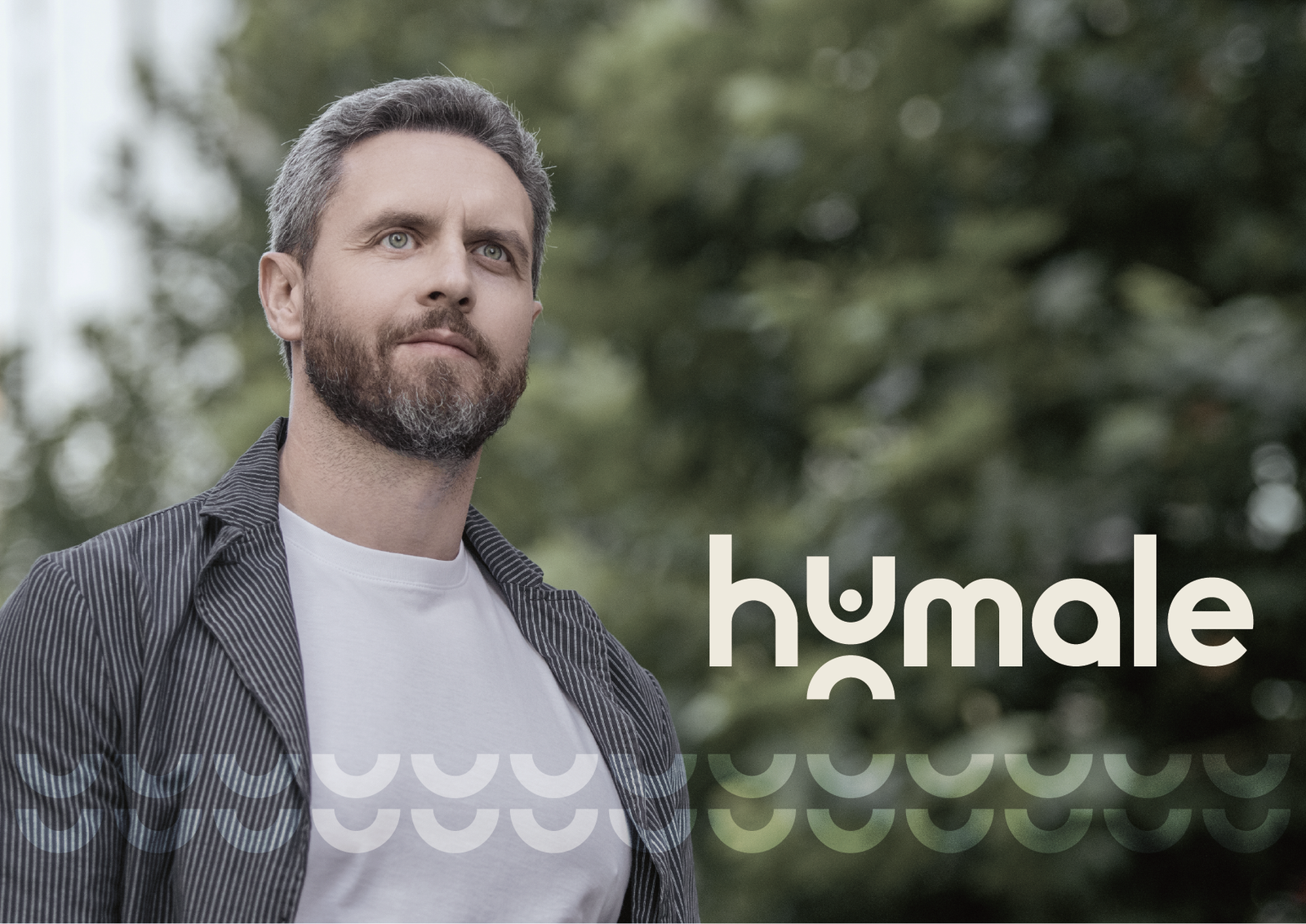
Understanding Andropause and the Midlife Opportunity
We've (finally) started talking about menopause at home and at work, it’s an area I do a lot of work in with both women and men. But there's a parallel conversation about men's health that still isn’t getting enough attention. Andropause.
Chances are that if you’re a man in your 40s or 50s this might sound familiar…
You're awake at 3:11am, staring at the ceiling while your mind races through work deadlines, finances, family responsibilities and the growing sense that time is somehow moving faster than it used to.
You drift back to sleep around five and wake feeling exhausted. That gym session that once set you up for the day energy wise now feels draining, and the results are getting less noticeable. At work your concentration isn't what it was. Your confidence has taken a knock. Your fuse is shorter. The anxiety is louder.
When you look in the mirror and wonder why you're carrying more weight around the middle despite doing all the things you've always done. Your libido is a bit shaky, not as reliable and recovery from exercise, nights out, a busy week, takes longer. Motivation drifts.
And perhaps most unsettling of all, you don't quite feel like yourself anymore, but you’re finding it hard to put your finger on exactly what it is that’s bothering you.
If any of that sounds familiar, you're far from alone.
Research suggests that millions of men experience symptoms associated with age-related testosterone decline, yet awareness of andropause remains remarkably low. In fact most men have never even heard the term.
The problem is that because andropause creeps up rather than arriving with the unpleasant bang of perimenopause many men assume these changes are simply part of "getting older”, stress, general fatigue, and just something that’s inevitable and that they have to tolerate.
What Is Andropause?
From a clinical perspective, andropause refers to age-related testosterone decline.
Unlike menopause, which typically occurs within a defined period, testosterone gradually declines by around 1-2% per year from a man's twenties onwards. That may not sound significant, but compound that decline over several decades and by the time many men reach their fifties, testosterone levels may be 30-50% lower than their peak.
For some men, the impact is minimal.
For others, the effects can be substantial:
- Reduced energy
- Increased body fat
- Loss of muscle mass
- Lower libido
- Poor sleep
- Brain fog
- Reduced motivation
- Anxiety and irritability
- Lower confidence
- Difficulty concentrating
The challenge is that these symptoms often emerge gradually. There’s rarely a dramatic moment where a man notices something has changed. Instead, it can feel like a slow erosion of energy, drive and resilience.
But here's where I think we need a broader conversation.
As a coaching psychologist, I see andropause as being about far more than testosterone.
Midlife is often a perfect storm of biological, psychological and social pressures.
At exactly the point our hormones may be changing, we're also navigating demanding careers, financial pressures, ageing parents, teenage children, relationship challenges and deeper questions about identity, purpose and what comes next.
Many men reach midlife carrying more responsibility than ever before whilst feeling less equipped than ever to talk about what they're experiencing.
That's a difficult combination.
One of the biggest challenges facing men at midlife isn't hormonal. It's silence, lack of connection, and isolation.
Most men have spent a lifetime being rewarded for coping, fixing problems and carrying on. We’re solution focused so when something feels wrong internally, many men default to doing what they've always done: work harder, push through and keep quiet.
But that doesn’t stop the feeling that something it off and so the result is often emotional withdrawal.
Even when they're physically surrounded by family, colleagues or friends, they can feel profoundly alone, They start to isolate more, to stop talking.
This matters because the consequences can be significant and can start a cascade effect:
- Fatigue affects work performance.
- Stress affects relationships.
- Poor sleep impacts mood.
- Low confidence influences decision-making.
- Reduced energy affects exercise, nutrition and self-care.
Everything is interconnected and left unchecked, these issues can create a negative spiral that impacts every area of life.
That's why I believe that we need to stop viewing andropause purely through a medical lens and that the conversation needs to include psychological wellbeing, emotional health and lifestyle factors too.
Most people understand the importance of exercise, nutrition and maintaining a healthy body, but how many are aware of the often negative changes to psychology as we age: lower risk tolerance, anxiety, a more negative outlook?
This is why we need to work on our mindset as well as our physical health. We need to work on developing the psychological skills that help you manage stress, regulate emotions, challenge unhelpful thinking and stay focused on what matters.
Just as strength training helps build physical resilience, mental fitness builds psychological resilience, which at midlife can be a game-changer.
Here are some tips…
1. Start Your Day Intentionally
Before checking emails, social media or the news, spend a few minutes grounding yourself.
This might include:
- Gratitude practice
- Breathwork
- Meditation
- Journalling
- Setting an intention for the day
The goal is simple: begin your day deliberately rather than reactively.
2. Learn To Manage Stress
Chronic stress elevates cortisol, which can negatively impact testosterone, sleep, mood and recovery.
You may not be able to eliminate stress, but you can change how you respond to it.
Developing awareness of your triggers and learning to challenge unhelpful thought patterns can make an enormous difference.
3. Practice Emotional Awareness
Many men have never been taught emotional literacy.
Mental fitness encourages what psychologists call metacognition: the ability to observe your thoughts rather than automatically believe them.
You are not your thoughts.
You can question them.
You can challenge them.
You can choose a different response.
4. Prioritise Community
Isolation is rarely the answer.
Good friendships, hobbies, communities and meaningful conversations provide perspective and support when life feels heavy.
The same applies to intimate relationships.
Talk to your partner.
Let people know what's going on.
Most problems become lighter when shared.
5. Focus On Consistency
Midlife doesn't require perfection.
It requires consistency.
Small positive habits performed regularly create significant change over time.
A daily walk.
A better bedtime routine.
Three strength training sessions a week.
Ten minutes of mindfulness.
Small actions compound.
What Good Support Looks Like
If you're experiencing symptoms associated with low testosterone, don't self-diagnose, as a first port of call speak to your GP or health professional.
Appropriate testing requires more than a single blood result and should always consider symptoms alongside hormone levels.
At the same time, don't underestimate the power of lifestyle. Things like strength training, quality sleep, stress management, improved nutrition, reduced alcohol intake and better recovery habits can dramatically improve how you feel, and optimise your hormone levels.
For organisations, the opportunity is equally significant. As we have increasingly recognised the importance of menopause support, we should also acknowledge the challenges many men experience during midlife. I’m thrilled that I’m doing more and more work with organisations in this area, but we’re not even scratching the surface yet.
Education, awareness, flexible working practices, wellbeing programmes and supportive cultures can all help employees perform better and stay healthier for longer.
Let’s start reframing midlife as the opportunity it is. We now have the wisdom and experience to make better judgement calls, to truly know ourselves, so let’s be curious. Look at our values, our belief systems, set goals, strengthen relationships and give ourselves a purpose to move forward with. Yes there are challenges, but this can also be a time for positive growth if we’re willing to look inward, do the work and move forward with a fresh outlook.
James Davis
jamespdavis.com
www.linkedin.com/in/jamesdavis/